Buyer's Guide
Why home inspectionsmatter.
A home inspection is your best protection before you buy. Here is what it covers and why you should never skip it.
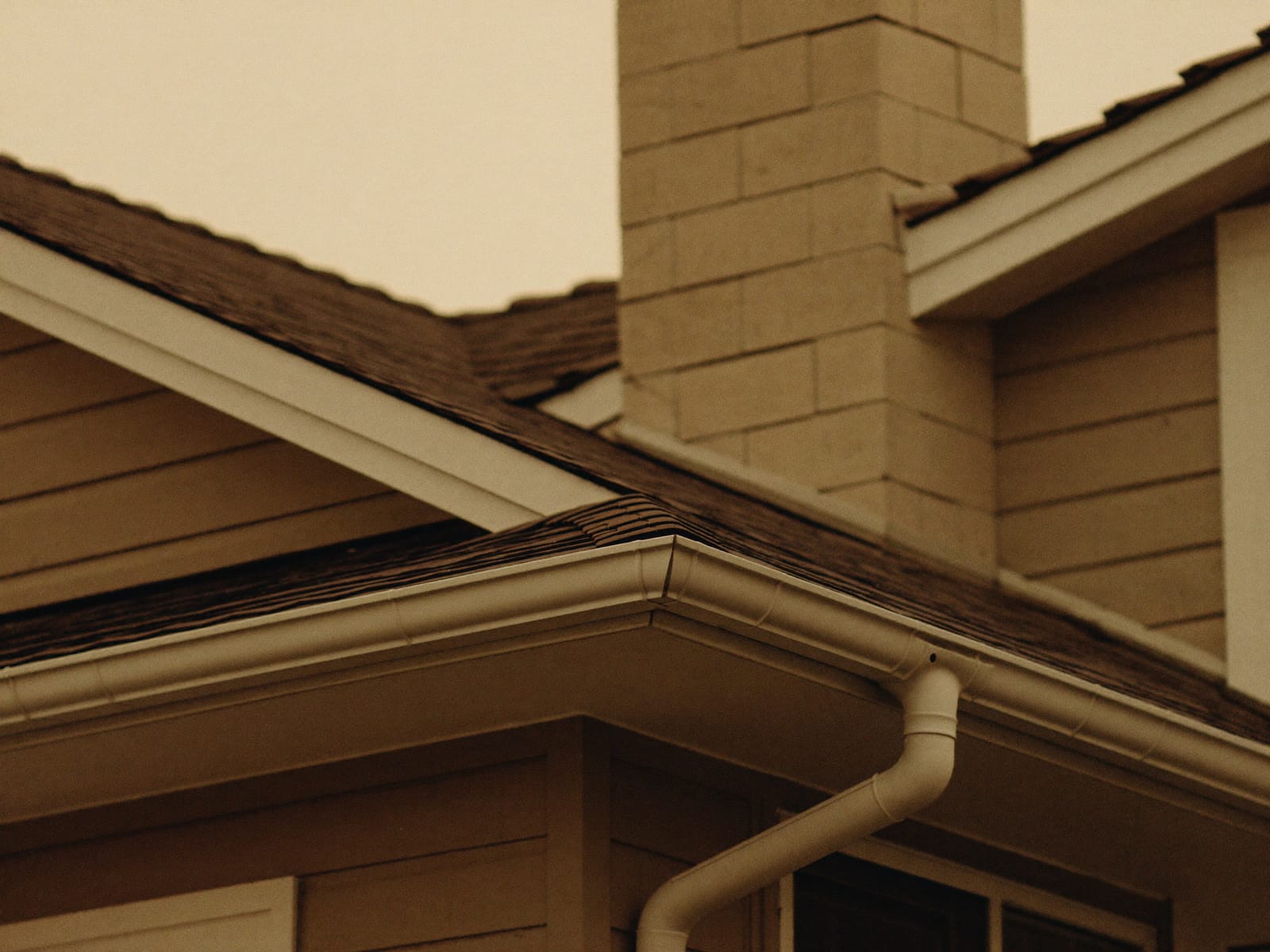
A home can look perfect and still hide costly problems. An inspection shows you what is really under the surface.
A home inspection is a careful, top-to-bottom check by a trained professional. They look at the parts of the home you cannot see and tell you what works, what needs repair, and what might cost you down the road. For a few hundred dollars, you get peace of mind and real bargaining power. In the Peace Country, where many homes sit on acreages with wells and septic systems, this step matters even more.
Six things a goodinspection covers.
The Roof and the Attic
The roof is one of the most costly things to fix, so it matters. An inspector looks at the shingles, the flashing, and the gutters. They check the attic for leaks, proper venting, and enough insulation. In our cold winters, a poorly vented attic can lead to ice dams and water damage. This is one area you never want to guess about.
The Foundation and Structure
Cracks in a foundation can be harmless or they can be a sign of a serious problem. An inspector knows the difference. They look at the basement walls, the floors, and how the home sits on the land. On rural and acreage properties, settling and ground movement are common, so a careful look here protects you.
Heating, Cooling, and the Furnace
In the Peace Country, a working furnace is not a nice-to-have. It is a must. The inspector checks the age and condition of the furnace, the hot water tank, and any cooling systems. They flag anything near the end of its life so you can plan for the cost or ask the seller to address it.
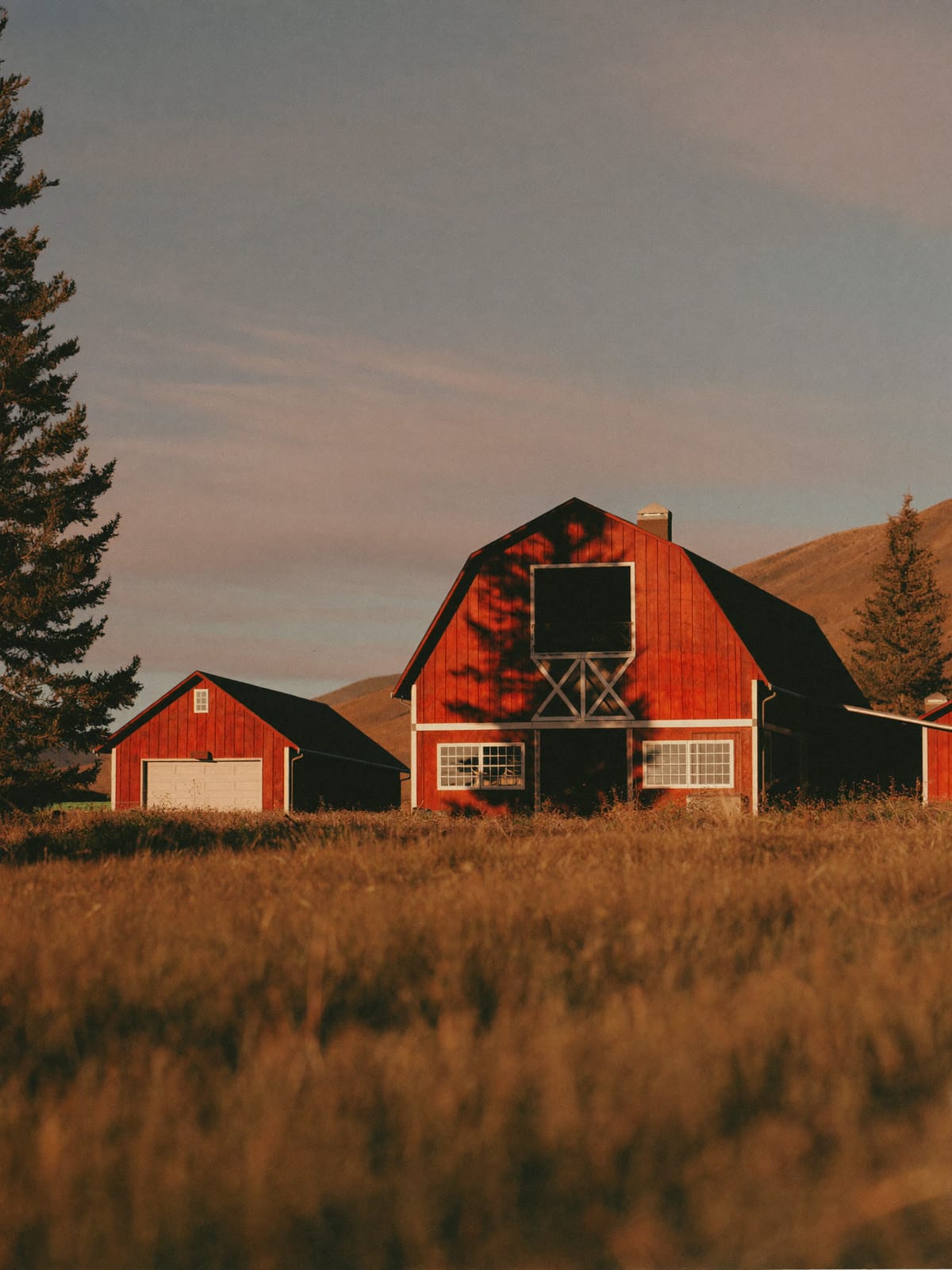
A few hundred dollars spent on an inspection can save you tens of thousands. It is the smartest money you will spend.
Plumbing and Water Supply
Town homes use municipal water, but many rural properties run on a well and a septic system. These need their own checks for flow, pressure, and safety. The inspector looks at the pipes, the water heater, and any signs of leaks or past water damage. Bad water or a failing septic system can be a major expense.
Electrical Systems
Old or unsafe wiring is a fire risk and can be hard to insure. The inspector checks the electrical panel, the outlets, and the overall setup. Older homes and farm buildings sometimes have wiring that no longer meets code. Knowing this upfront helps you budget for repairs or rethink the purchase.
The Outside and the Grounds
The inspection does not stop at the front door. The inspector looks at the siding, the windows, the grading around the home, and the driveway. On acreages they may note outbuildings, fences, and how water drains across the land. Good drainage keeps your basement dry and your foundation sound.
Common questionsabout inspections.
Do I really need a home inspection?
It is not required by law, but skipping it is a big risk. An inspection costs a few hundred dollars and can save you thousands by catching problems before you buy. We always recommend making your offer conditional on a satisfactory inspection.
How much does a home inspection cost?
In our area, a standard home inspection usually runs between 400 and 700 dollars. Larger homes, acreages, and properties with wells or septic systems may cost more because there is more to check. It is money well spent.
What happens if the inspection finds problems?
Most homes have at least a few issues, and that is normal. Your realtor helps you decide what matters. You can ask the seller to fix the problem, lower the price, or give you credit at closing. If the issues are too serious, you can walk away.
Should I be there during the inspection?
Yes, if you can. Walking through the home with the inspector teaches you a lot about how it works and what to watch for. You can ask questions on the spot and get a feel for any upkeep the home will need.
Are well and septic inspections separate?
Often, yes. A standard home inspection may give a basic look, but wells and septic systems usually need their own specialist tests. For rural and acreage properties, we strongly suggest these extra checks since repairs can be costly.