
Seller's Guide
The seller'schecklist.
Selling your home is a big move with a lot of moving parts. This checklist keeps you on track from start to finish.
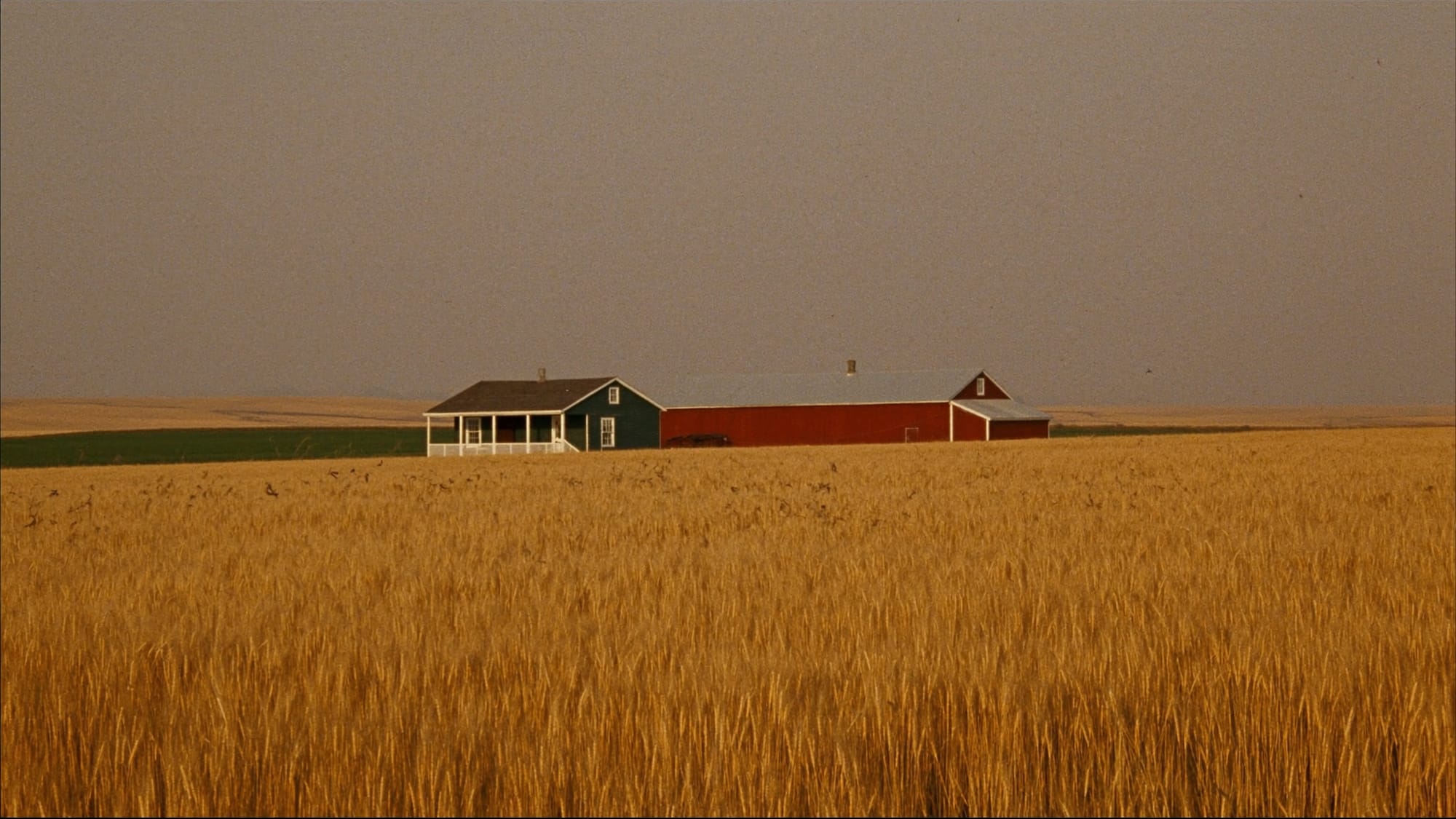
Selling a home goes smoothly when you take it one clear step at a time.
A home sale has a lot of pieces, from pricing and prep to paperwork and negotiation. When you tackle them in the right order, the whole thing feels manageable. This checklist lays out each step so nothing slips through the cracks. Keep it close and check off each item as you go, with your realtor right beside you.
Seven steps fromlist to sold.
Choose the Right Realtor
Start by picking an agent who knows the Peace Country and sells homes like yours. Ask how they price, how they market, and how often they will update you. The right realtor sets the tone for the whole sale and saves you time, stress, and money.
Set the Right Price
Get a proper home evaluation and price your home based on real market data, not hope. The right price draws more buyers and can spark competing offers. Overpricing scares buyers off and leaves your home sitting, which often leads to a lower sale in the end.
Prepare and Stage Your Home
Declutter, deep clean, make small repairs, and tidy the yard. A home that shows well sells faster and for more. You do not need a big budget, just some time and care. First impressions count, both in person and in the photos buyers see online.
Gather Your Paperwork
Pull together the documents buyers and lawyers will need. This includes your title, property tax bills, utility costs, and any permits or warranties for work you have done. For rural homes, add well records, septic details, and land documents. Having these ready keeps the sale moving.
A good sale is not luck. It is the right price, the right prep, and the right person walking it through with you.
Market Your Home Well
Good photos, a strong listing, and wide exposure bring in buyers. Your realtor should put your home on the MLS, share it online, and reach their network of buyers and agents. In a smaller market, the right connections matter as much as the right listing.
Review Offers and Negotiate
When offers come in, your realtor helps you read them fully. Price is only one part. Conditions, closing dates, and the buyer's financing all matter. A strong agent negotiates for the best overall deal and protects you through every counteroffer.
Close With Confidence
Once you accept an offer, the buyer works through their conditions like financing and inspection. Your realtor and lawyer handle the paperwork, the title transfer, and the closing details. When the day comes, you hand over the keys and the sale is done.
Common questionsfrom sellers.
How long does it take to sell a home?
It depends on the price, the location, and the market. Some homes sell in days, others take a few months. A well-priced, well-prepared home in the Peace Country usually moves faster. Your realtor will give you a realistic timeline based on current conditions.
What does it cost to sell my home?
The main cost is the real estate commission, which the seller usually pays. You may also have legal fees, any agreed-upon repairs, and moving costs. Your realtor will walk you through the full picture so there are no surprises at closing.
Should I make repairs before listing?
Small, low-cost fixes are usually worth it because they help your home show well. Big renovations often are not, since you may not get the money back. We will help you decide which repairs are worth doing and which to leave for the buyer.
Do I need to be out of the home to sell it?
No. Most sellers live in their home while it is on the market. The key is keeping it clean and ready for showings. Once you accept an offer and reach the closing date, you move out and hand over the keys.
What paperwork do I need for a rural property?
Rural and acreage sales often need extra documents, such as well water tests, septic records, land titles, and details on any outbuildings or mineral rights. Gathering these early prevents delays. Your realtor will give you a full list for your specific property.